We undertake both developmental screeners and ongoing therapeutic support — depending on your child's needs.
Baseline screeners across sensory processing, literacy and learning, social-emotional development and adaptive functioning.
Designed to provide practical insight that informs intervention planning across school, NDIS and health settings — without focusing solely on diagnosis.
Gentle, evidence-informed counselling for children and young people needing support with anxiety, emotional regulation, behavioural challenges or adjustment.
We work collaboratively with families and schools to build strategies that are sustainable and strengths-based.
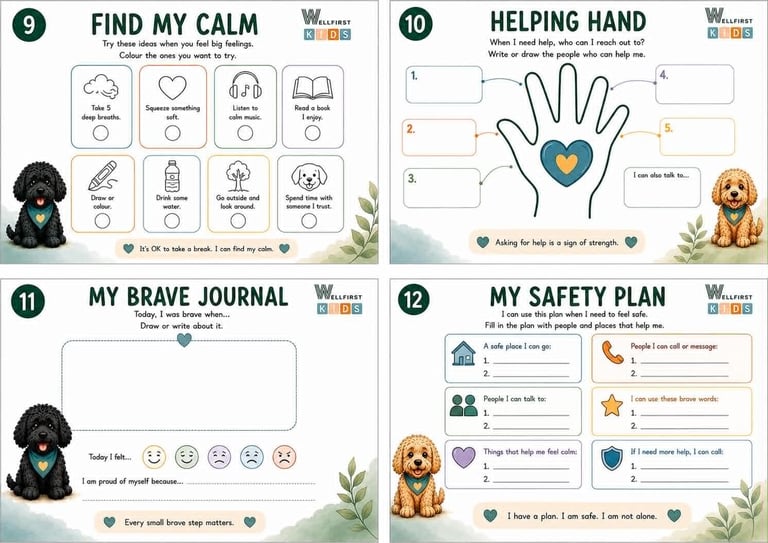
Social & Emotional Learning based on the life lessons of Poppy the Brave Shoodle. 12 therapeutic activities & worksheets — trauma-informed and evidence-based, for therapists, educators, and parents. Suitable for ages 5–12.
Secure payment via Stripe. You'll be redirected here to download instantly.
By Bianca Hyslop
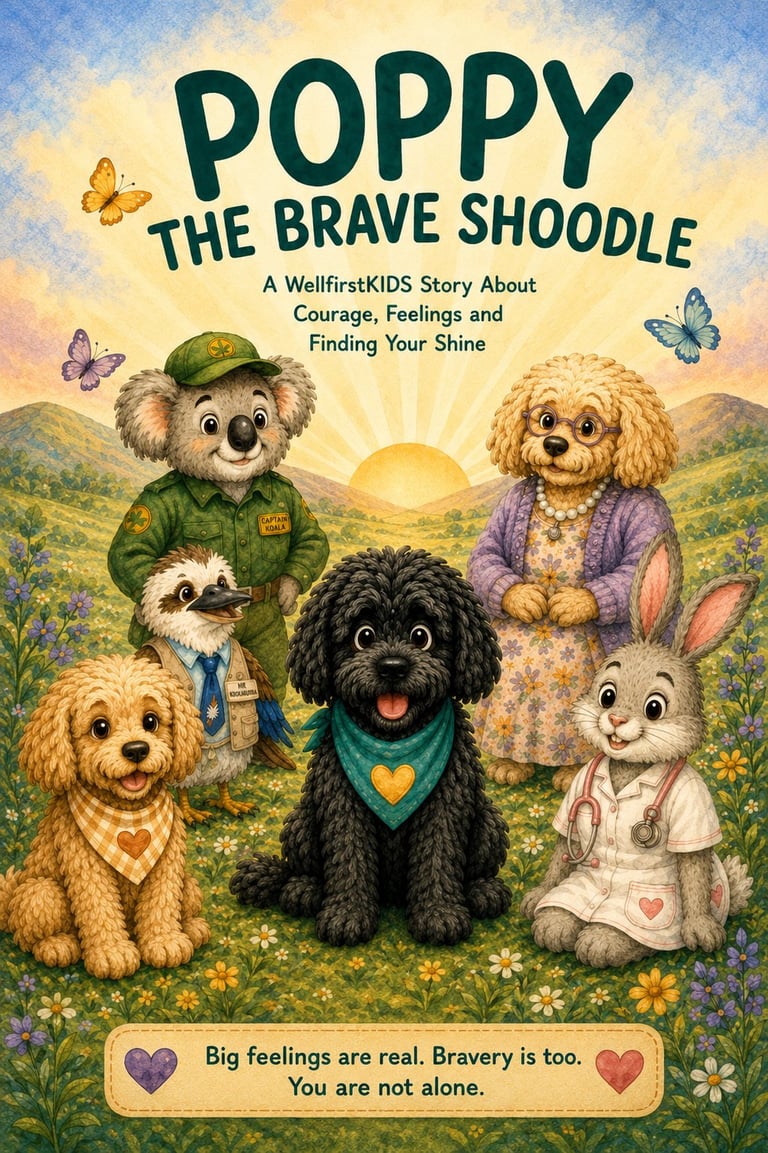
A social-emotional tool designed to promote early intervention and safety for children. Best used in conjunction with our Resource Pack by therapists, case managers, parents, and carers. Join Poppy and her friends in a sunny meadow adventure filled with butterflies, flowers, and valuable life lessons about courage and understanding emotions.
Opens Amazon in a new tab. Available as an ebook on Kindle.
3 articles — click to expand a topic, then click any article to read
By Bianca Hyslop · 10 June 2026

For Parents & Carers
By Bianca Hyslop
·Bach Human Services | Grad Dip Education | Master of Education (Guidance & Counselling)
·10th June 2026
For parents wondering whether it's time to seek support.
You find yourself noticing early childhood development milestones and wondering if your child is on track.
Not because you're judging them.
Because something feels different.
Everyday routines feel harder than they seem to be for other families.
Getting dressed.
Leaving the house.
Bedtime.
Transitions.
These can be signs worth exploring with a child development assessment.
You've heard yourself say:
"Maybe I'm overthinking it…"
More than once.
Parent concerns about child development are always worth listening to.
Teachers, educators, grandparents or friends have gently mentioned child behaviour and development concerns.
Even if they weren't sure how to say it.
Deep down, you've been wondering whether to seek early intervention support for families.
And you've opened articles like this one looking for reassurance.
If you ticked a few of these boxes, it doesn't mean something is wrong.
It simply means your observations deserve attention. Many parents searching for developmental delay signs are just parents who noticed something early, and that's a good thing.
We're here when you're ready.
Talk to us →By Bianca Hyslop · 3 May 2026
For Parents & Carers
By Bianca Hyslop
·3rd May 2026
Why your child's meltdowns might actually be a sign of healthy development.
Big emotions in little people can feel overwhelming, for them and for you. But here's something many parents don't hear enough: emotional intensity in children is often a sign that their brain is developing exactly as it should.
When a child has a meltdown over the wrong-coloured cup, it's not about the cup. It's about their still-developing prefrontal cortex, the part of the brain responsible for emotional regulation, impulse control, and flexible thinking. This part of the brain isn't fully developed until the mid-twenties. This is why our child counselling services focus on meeting children where they are developmentally.
What you can do in the moment:
Validate first, problem-solve later. "I can see you're really upset right now" goes further than "calm down."
Stay present. You don't need to fix it. Your calm presence is the regulation tool your child hasn't developed yet.
Name the emotion. "You're feeling frustrated because we have to leave the park." Naming emotions helps children build emotional literacy.
If big emotions are disrupting daily life consistently, affecting sleep, eating, school, or relationships, it might be time to explore whether there's something underneath worth understanding better. A developmental screening can help connect the dots and give you a clearer picture of what your child needs.
Concerned about your child's emotional development?
Talk to us →By Bianca Hyslop · 12 February 2026

For Parents & Carers
By Bianca Hyslop
·12th February 2026
The signs are often subtle, and your instinct matters more than a checklist.
"When should I worry about my child's development?" This is one of the most common questions parents ask, and one of the hardest to answer alone. The most common thing we hear from parents who've taken that first step is: "I wish I'd come sooner." Not because something was terribly wrong, but because early support can make such a meaningful difference, and the early years are a window of rapid brain development we don't get back.
Developmental assessments aren't about labelling children. They're about understanding them: their strengths, their challenges, and what kind of support might help them thrive.
Signs a developmental assessment might help:
Speech or language delays — not meeting communication milestones for their age
Social difficulties — struggling to engage with peers or read social cues
Sensory sensitivities — strong reactions to sounds, textures, lights, or movement
Motor skill differences — difficulty with coordination, balance, or fine motor tasks
A persistent feeling that something isn't quite right, even if you can't name it
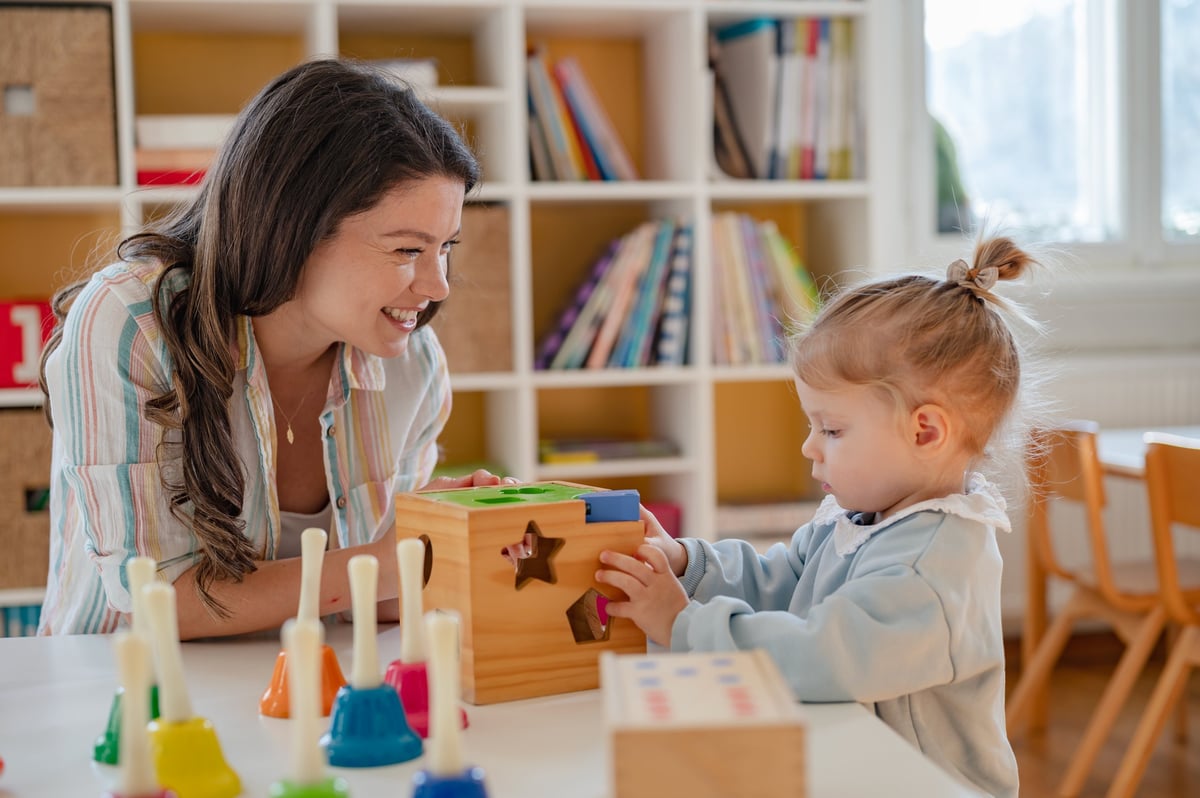
At Wellfirst Kids, our developmental assessments are gentle, play-based, and designed to make children feel safe and seen. We don't do cold clinical evaluations; we meet your child where they are, with warmth and curiosity. Book a consultation to learn more.
Ready to explore whether an assessment is right for your child?
View our intake options →New articles, wellbeing tips, and resources — delivered to your inbox. No spam, just thoughtful content for parents, carers and professionals.
Your email is safe. Unsubscribe anytime.